Federal Education Funding 101:
Requirements and Reality of Leveraging Public Dollars for AT
The U.S. Congress appropriates millions in federal funds to support research, innovation, and to improve access to assistive technology (AT) in K-12 schools. Participants will learn about the federal education funding landscape and how current policies and practices are impacting access to education and research dollars meant for States and other entities.
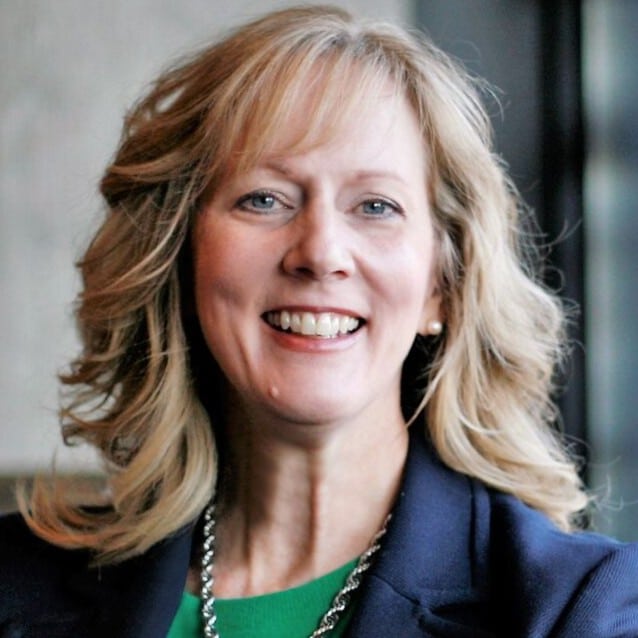 Laura Kaloi – Stride Policy Solutions Laura Kaloi – Stride Policy Solutions
Laura W. Kaloi is a Partner at Stride Policy Solutions and serves as ATIA’s federal policy advisor. She leads policy strategy and advocacy with the Administration, Congress, and federal agencies to expand access to assistive technology and improve outcomes for children with disabilities. A recognized expert in education and disability policy, Laura has deep experience with federal education and disability authorizing laws and related funding including the Every Student Succeeds Act, the Individuals with Disabilities Education Act, and the Rehabilitation Act of 1973.
Beyond the Primer:
How AT Founders Are Navigating the Funding Journey
Building an assistive technology company requires more than a great product, it requires navigating the complex realities of fundraising, growth, and scaling impact. This panel is a continuation of the Capital Markets Primer that will bring the topic into a real-world context, featuring founders from pre-seed, seed, and Series A-stage companies as they share their firsthand experiences raising capital and building their businesses.
Through a candid conversation, panelists will discuss how investor expectations evolve across stages, how they have approached valuation and fundraising strategy, and the key decisions and tradeoffs they faced along the way. They will also explore the challenge of balancing mission-driven impact with the demands of building a scalable, financially sustainable company.
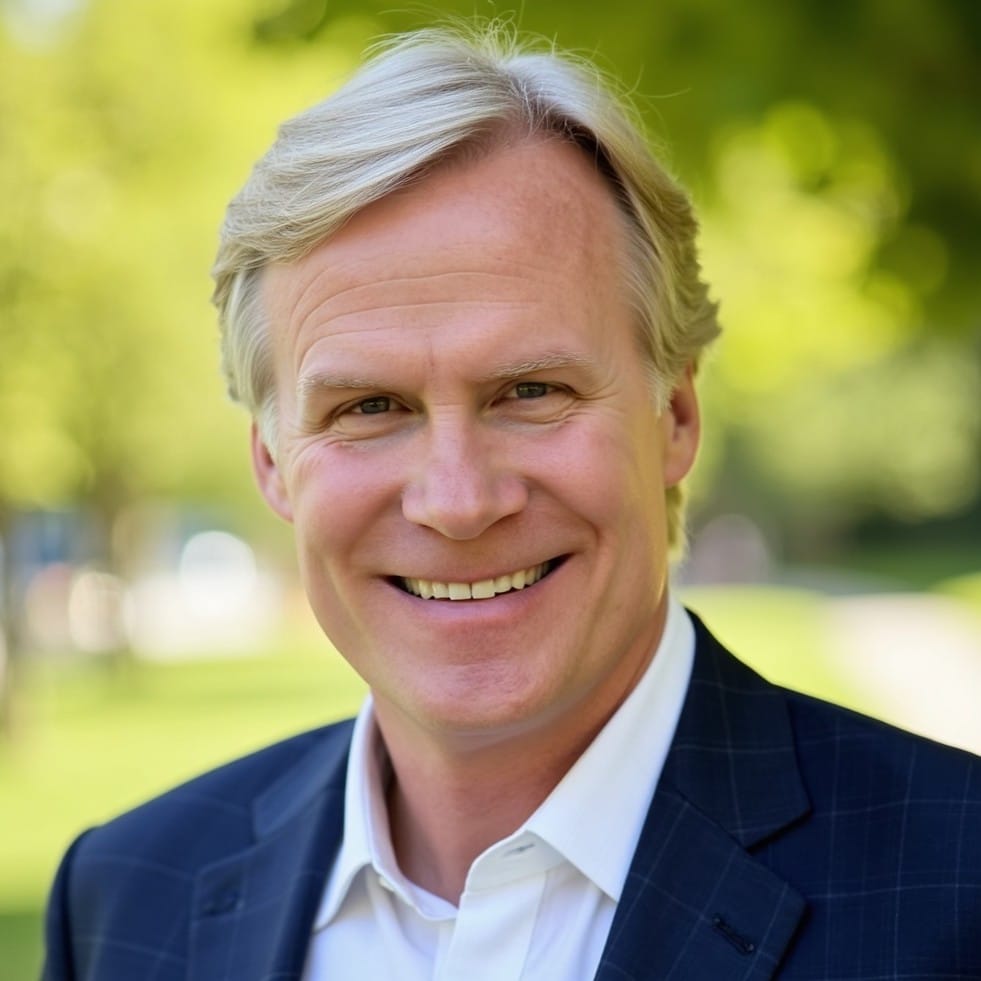 Moderator: Chris Maher – Samaritan Partners Moderator: Chris Maher – Samaritan Partners
Chris Maher is Founder and General Partner at Samaritan Partners, a public benefit venture capital firm investing in early-stage companies that serve the disability community. Beyond investing, Chris is cultivating a vibrant community of founders, investors, and thought leaders who are shaping disability inclusion and assistive tech innovation. A former CEO, Chris combines operational expertise with a deeply personal mission, informed by his lived experience as a parent and advocate.
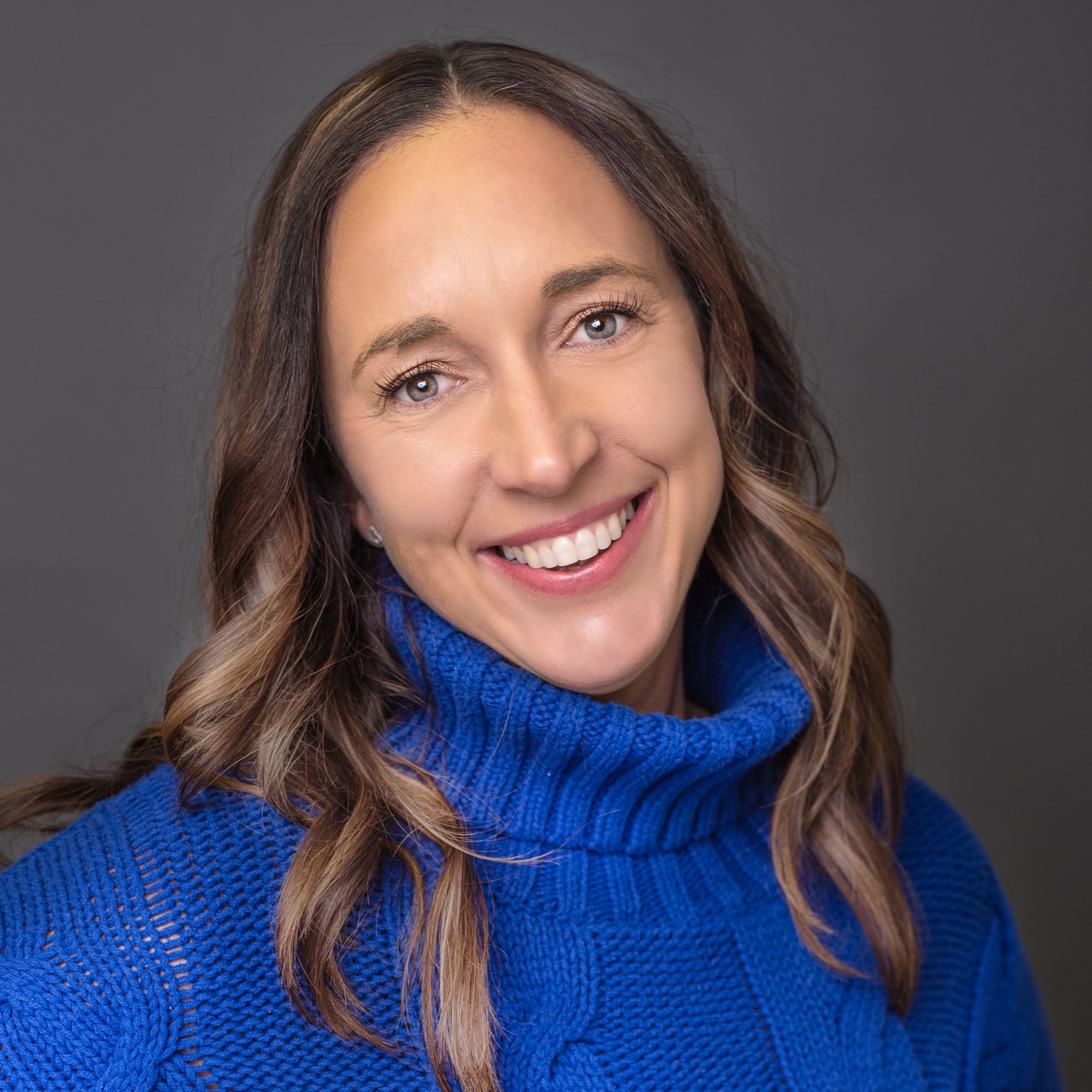 Meegan Winters – AbleVu Meegan Winters – AbleVu
Meegan Winters is the founder of Able Eyes and AbleVu, an accessibility intelligence platform helping people know before they go. Before launching AbleVu, she spent years in education as a special educator, assistive technology coordinator, and assistant principal, working with students and families navigating accessibility daily. Her passion is deeply personal: in college, she lived with her best friend Jessica, a power wheelchair user who is now her guardian angel, and saw firsthand the barriers the world often puts in front of people with disabilities. That experience drives her mission to make accessibility information clear, reliable, and within reach for everyone.
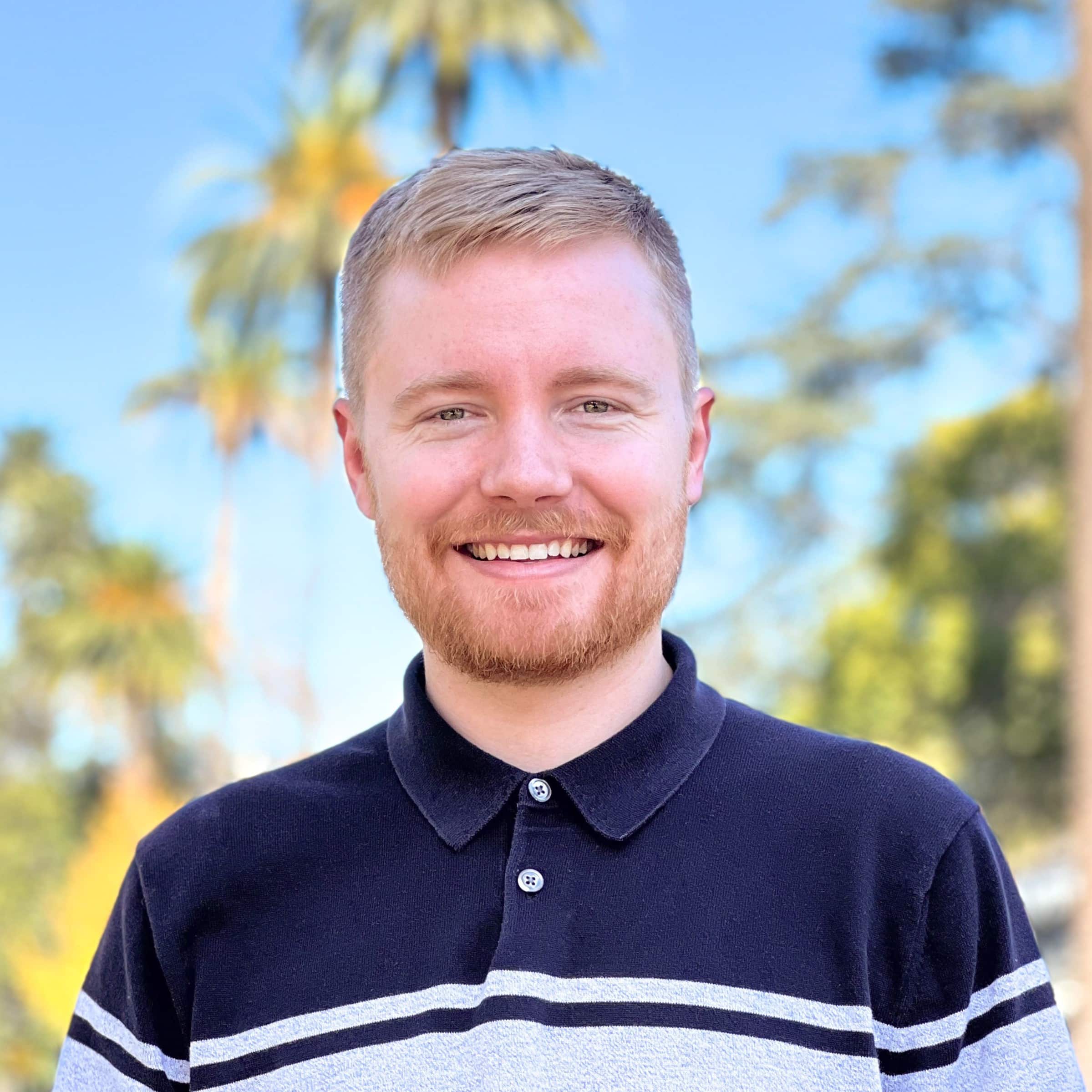 Todd Roberts – ATDev Todd Roberts – ATDev
Todd Roberts is the CEO and co-founder of ATDev where he leads the company’s strategic direction, partnerships, and commercialization efforts. Todd holds a Masters degree from UC Berkeley with a focus on exoskeleton design, combining rigorous research training with practical experience bringing assistive technologies from concept to real world use.
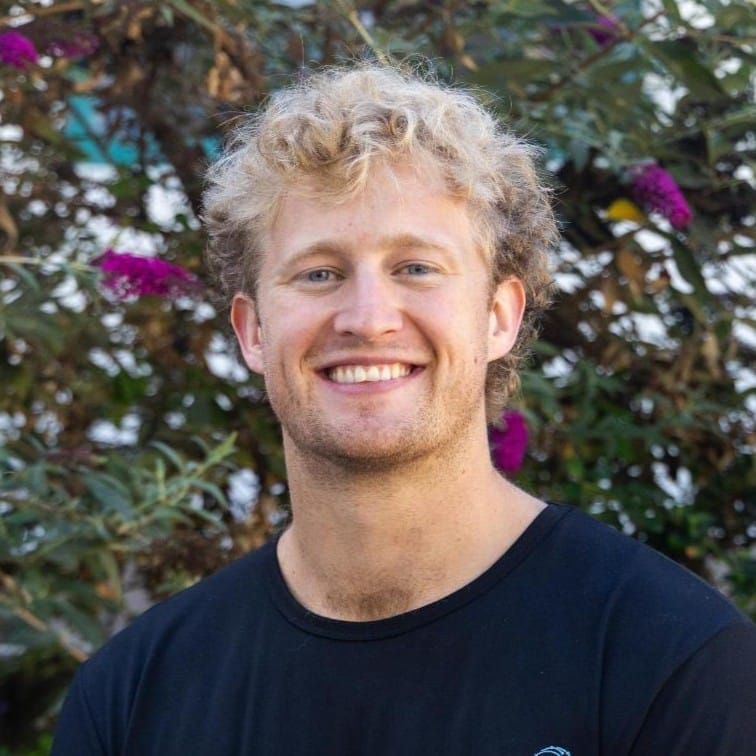 Jack Walters – HapWare Jack Walters – HapWare
Jack Walters is the CEO and cofounder of HapWare, the company behind ALEYE, a wearable that communicates facial expressions, gestures, and body language through the sense of touch for people who are blind, low vision, or DeafBlind. ALEYE empowers people to participate more independently and confidently in workplace, educational, and everyday social interactions. Jack is an engineer and entrepreneur and leads partnerships, go to market, fundraising, and strategy for HapWare. He is passionate about building technology alongside the disability community and creating solutions rooted in real needs. HapWare’s mission is to make nonverbal communication universally accessible.
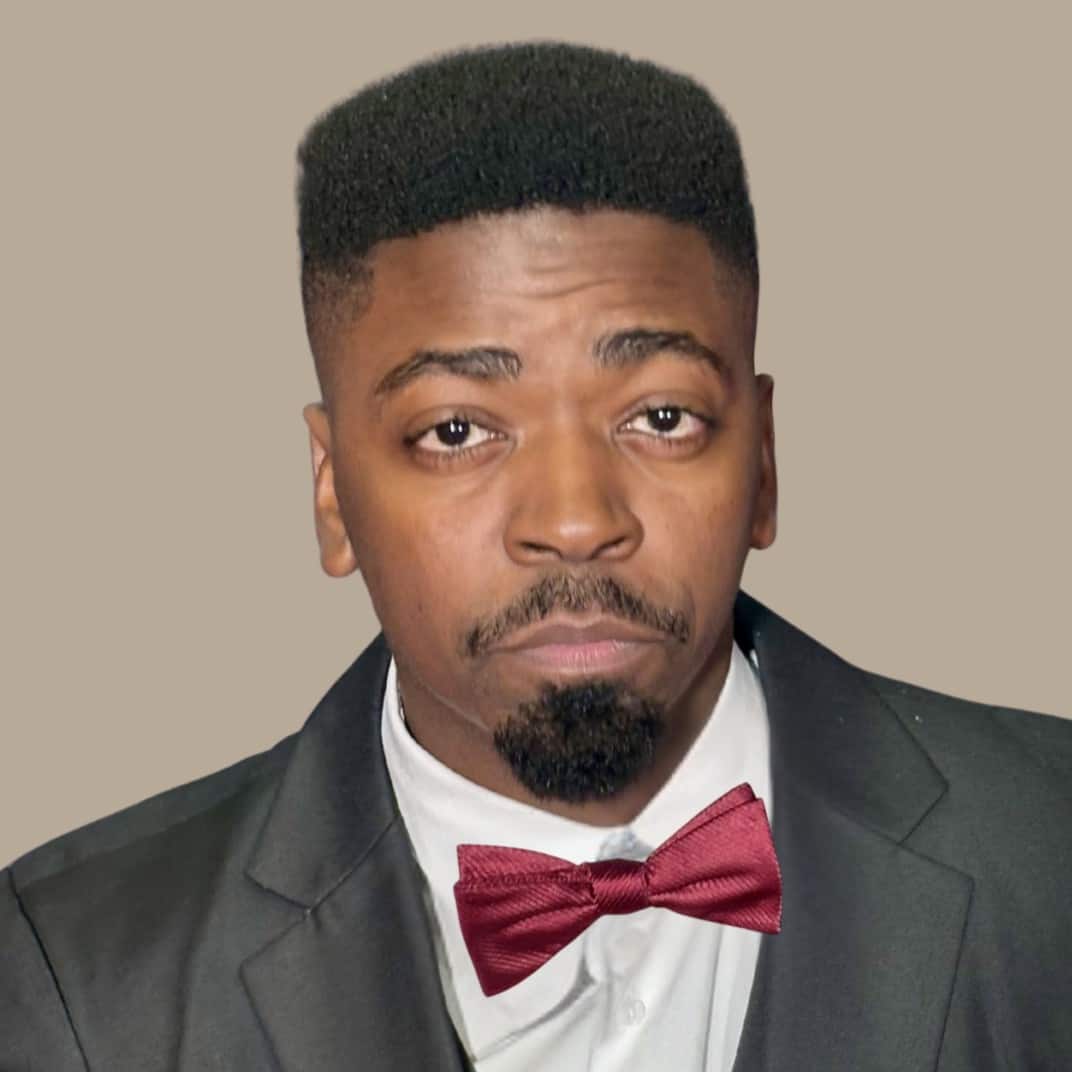 Pierre Paul – We Hear You Pierre Paul – We Hear You
Pierre Paul is the Founder and CEO of We Hear You, an assistive technology company developing innovative solutions that make the built environment more accessible. A PhD candidate in Disability Studies at the University of Illinois Chicago, Pierre’s work sits at the intersection of disability, technology, entrepreneurship, and inclusive design. His company’s technology has been deployed across the United States and internationally, helping organizations rethink how accessibility can be integrated into everyday spaces. Recognized by Forbes for his work in accessibility, Pierre is a global speaker and advocate for designing with, rather than simply for, disabled people and their communities.
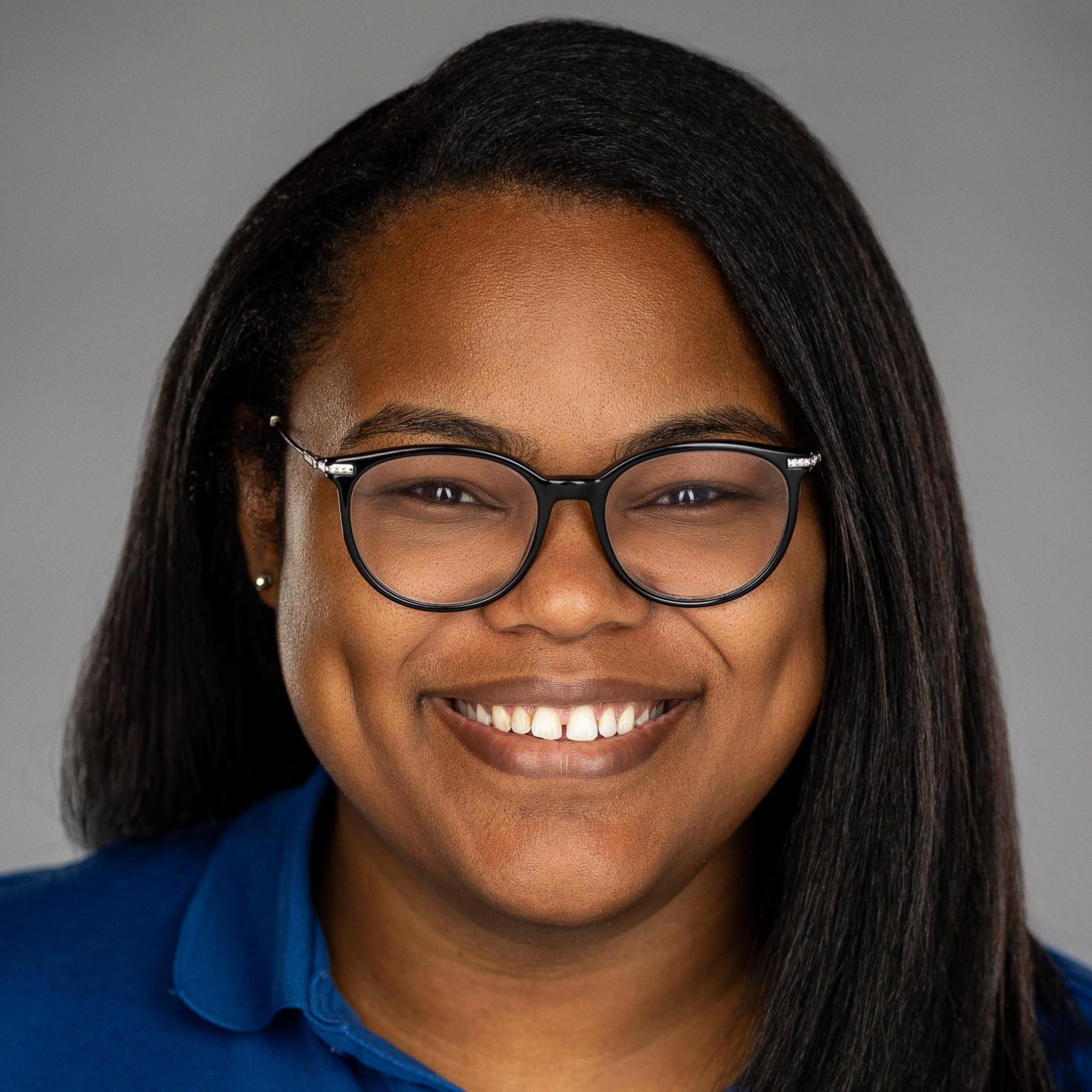 Yamillet (Yami) Payano – Sign-Speak Yamillet (Yami) Payano – Sign-Speak
Yamillet (Yami) Payano is the co-founder and CEO of Sign-Speak, a Deaf-led AI company building enterprise-grade sign language recognition and generation technology. Through scalable APIs and applications, Sign-Speak enables organizations to integrate sign language access into digital products, customer experiences, and workplace systems.Before founding Sign-Speak, Yami worked in fair lending at Fannie Mae and studied economics at American University, bringing analytical rigor, regulatory awareness, and a deep commitment to accessibility to the company. Under her leadership, Sign-Speak has grown from an RIT hackathon concept into a commercial AI platform serving thousands of users and working with enterprise partners. A first-generation Dominican-American founder, Yami is building at the intersection of artificial intelligence, accessibility, and global communication. Her vision is to create a category-defining company that expands opportunity for Deaf and hard-of-hearing people while helping enterprises better serve a large and historically underserved market.
|
| 12:00 PM |
Lunch
|
| 12:30 PM |
Technology and Innovation Keynote
|
|
Built to Scale:
How Microsoft Can Accelerate AT Growth
Microsoft has long helped define the accessibility agenda—pairing technology innovation with practical best practices that other companies can adopt and scale. In this keynote, Jessica Rafuse will show how that leadership comes to life across the full innovation lifecycle: from building on Azure with the security, compliance, identity, and device compatibility needed for enterprise growth, to applying inclusive design principles that make products more usable from the first interaction onward. She will highlight how Microsoft’s accessibility ecosystem, partner resources, and market experience can help assistive technology companies accelerate innovation, strengthen product quality, and scale with greater confidence.
 Jessica Rafuse – Microsoft Jessica Rafuse – Microsoft
Jessica Rafuse is Director of Global Partnerships & Commercial Impact for Accessibility at Microsoft, where she leads strategic initiatives to accelerate accessibility and empower people with disabilities. She works with customers, partners, and community to drive business impact through accessible AI. An attorney by training, she previously advanced accessibility in multinational corporations and served as an Administrative Judge for the U.S. federal government. Jessica has muscular dystrophy and uses a power wheelchair, bringing lived experience to her leadership. She speaks globally on accessibility, AI inclusion, and the business value of disability-led design, championing policies and partnerships that make technology accessible to all.
|
| 1:15 PM |
Networking Break
|
| 1:30 PM |
Breakout Sessions
|
|
Inclusive Packaging: Driving Accessibility Through Collaboration
Join Microsoft’s Kevin Marshall and Michael Zuberbier for a cross-industry discussion on how inclusive packaging can remove barriers and create better experiences for everyone. Featuring Miguel Arevalo (Google), Aerin Glazer (Tilt Beauty), Deb Gokie (Arthritis Foundation), and Gerardo Herrera (ArtCenter College of Design), the panel will explore how technology, advocacy, entrepreneurship, and design can work together to advance more accessible, innovative packaging solutions.
Moderators:
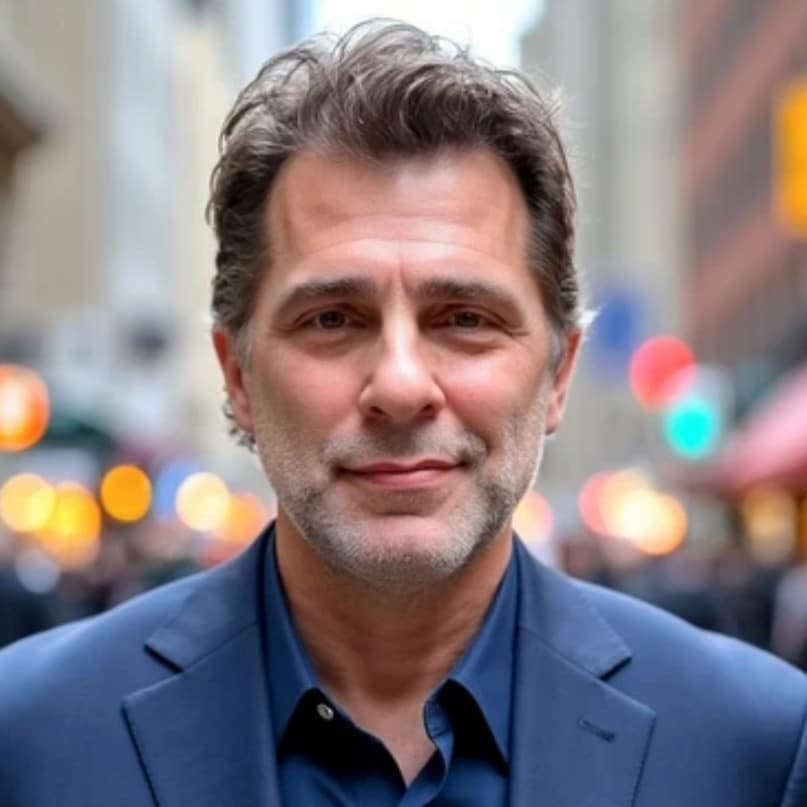 Kevin Marshall – Microsoft Kevin Marshall – Microsoft
As Microsoft’s Senior Creative Director of Packaging and Content, Kevin Marshall leads a world class team of designers and content creators, setting the vision and creative strategy for Microsoft’s global packaging systems. His scope spans the company’s worldwide portfolio, including Surface, Xbox, Mixed Reality, and other flagship products.
Prior to joining Microsoft, Kevin served as Creative Director at Marc Rosen Associates, a New York–based, award winning branding and design firm specializing in luxury, beauty, and consumer packaged goods. Before that, he was Global Packaging Design Director at Avon Products, Inc., where he led packaging design across all global brands and channels.
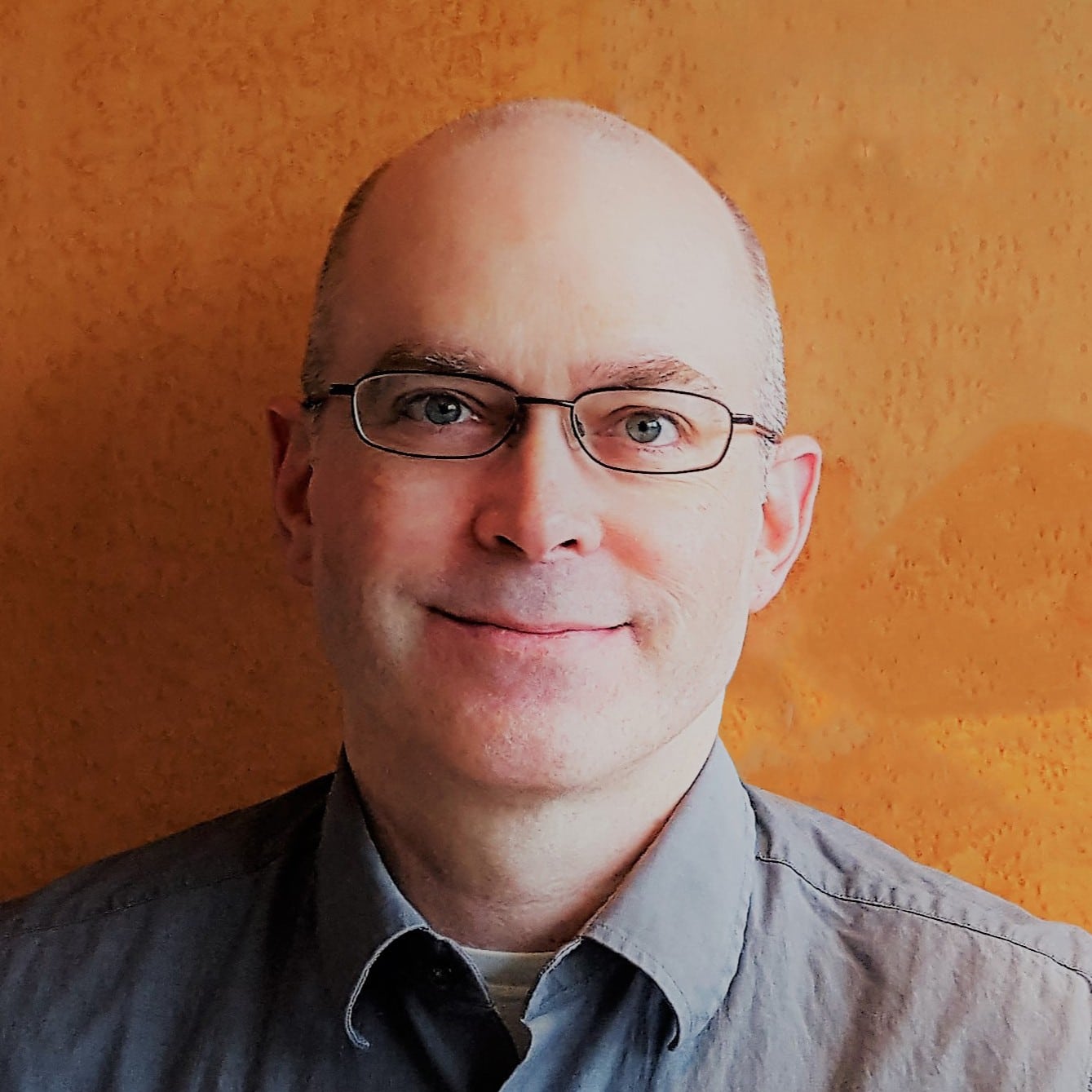 Michael Zuberbier – Microsoft Michael Zuberbier – Microsoft
Michael started at Microsoft in 2005 helping to design book covers for Microsoft Press. Over the years, he helped launch Microsoft Press’s eBook program, built their e-commerce website, developed an e-reader app, and designed an online content subscription service. In 2017, Michael joined the Packaging and Content team where he continues to wear many hats but with a treasured focus on user experience and accessibility.
Before Microsoft, Michael co-owned a used-book store in Seattle for 10 years. He is always happy to discuss the book you are reading right now.
Panelists:
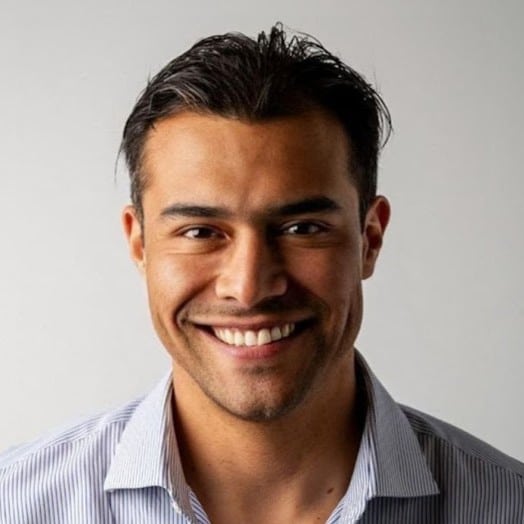 Miguel Arevalo – Google Miguel Arevalo – Google
Miguel Arevalo is the Packaging Innovation Lead for Consumer Hardware at Google, where he spearheads sustainable material development, circular packaging systems, and universal, human-centered design. Since joining Google in 2019, he has driven the company’s transition toward plastic-free hardware packaging, championing the principle that environmental responsibility and accessibility must be designed in tandem, not in competition.
A passionate advocate for democratizing technical knowledge, Miguel co-authored Google’s open-access Plastic-Free Packaging Design Guide. By sharing open frameworks rather than proprietary secrets, this work demonstrated how transparent industry methodologies can spark reciprocal momentum to help the broader packaging ecosystem close knowledge gaps together.
Backed by more than 15 years of packaging R&D and engineering leadership across Google and Procter & Gamble, Miguel bridges material science, unboxing ergonomics, and supply-chain scalability. He is dedicated to proving that next-generation packaging can simultaneously restore the planet and deliver an intuitive, dignified unboxing experience for people of all abilities.
 Aerin Glazer – Tilt Beauty Aerin Glazer – Tilt Beauty
Aerin Glazer, Founder of Tilt Beauty, is changing the beauty industry with a first-of-its-kind innovative and accessible makeup brand. Diagnosed with juvenile psoriatic arthritis as a teenager, Aerin spent years modifying conventional beauty products to make them workable for her own use — this ultimately led to the decision to create Tilt Beauty.
After nearly five years of development, Aerin launched Tilt Beauty in 2025, with patented, ergonomic grippy packaging, clean, luxurious formulas and refillable components. Tilt became the first beauty brand to earn the Arthritis Foundation’s Ease of Use® certification, validating its products are easy to open, hold, and apply. Aerin also collaborated with the National Psoriasis Foundation to ensure all products meet rigorous standards for sensitive skin, earning their Seal of Recognition®.
Inspired by her volunteer work at the Braille Institute, Aerin expanded Tilt’s accessibility features to blind and low-vision users by including Braille labeling and Atkinson Hyperlegible font on the brand’s website. In recognition of her work, Aerin was honored with the Braille Institute Community Hero Award, the Beauty Independent Beacon Award for Inclusivity Champion, and was named to the Inc. 500 Female Founders list in 2026. Aerin also serves on the Arthritis Foundation’s Ease of Use Council to help shape more inclusive design practices.
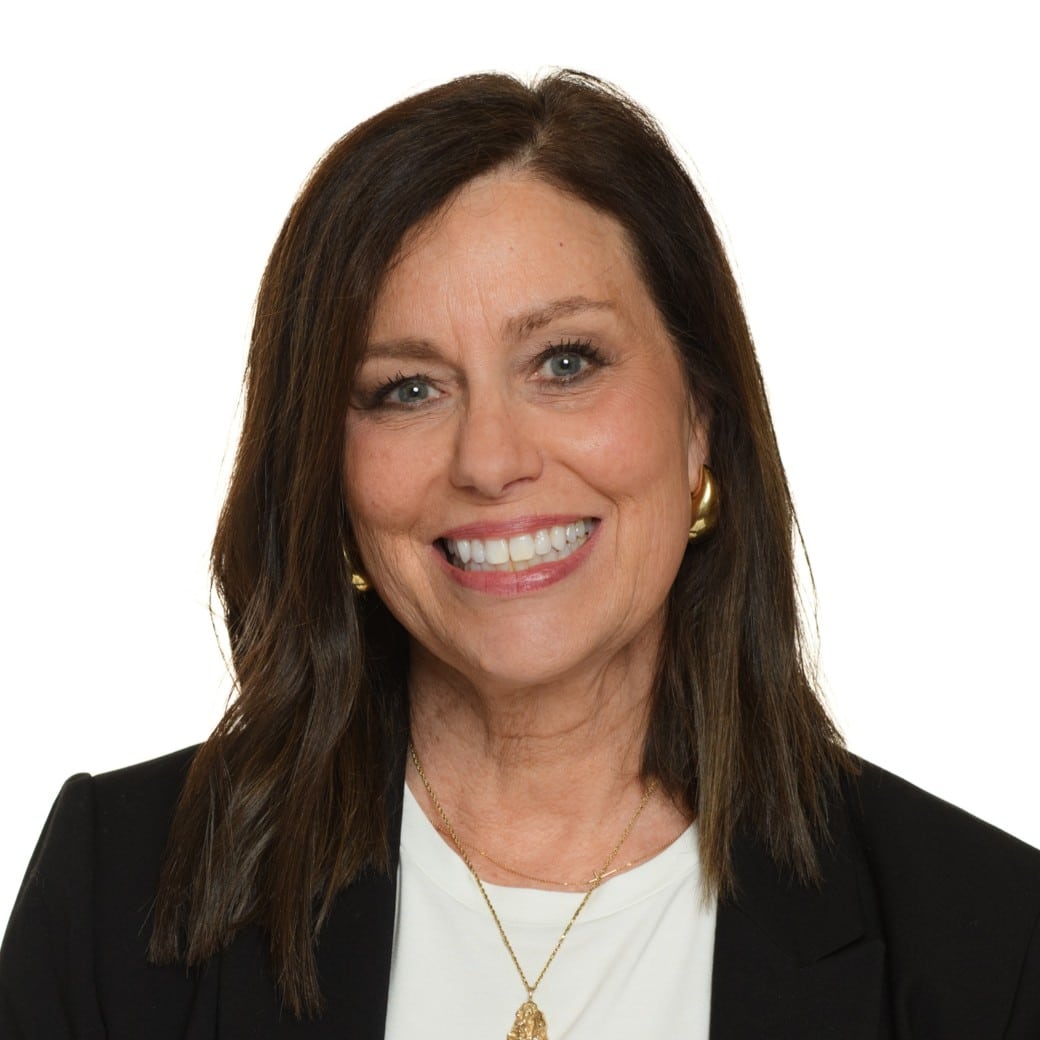 Deb Gokie – Arthritis Foundation Deb Gokie – Arthritis Foundation
Deb Gokie is Vice President of Consumer Health and Ease of Use at the Arthritis Foundation, where she leads efforts to advance inclusive, human-centered design. With more than 30 years of nonprofit leadership experience, she collaborates with engineers, designers, and consumer brands to improve product and packaging usability for people with a wide range of abilities. Deb oversees the Foundation’s Ease of Use Program, fostering partnerships that help companies create more accessible products. A recognized nonprofit leader, speaker, and mentor, she is passionate about ensuring that designing for diverse human abilities results in better experiences for everyone.
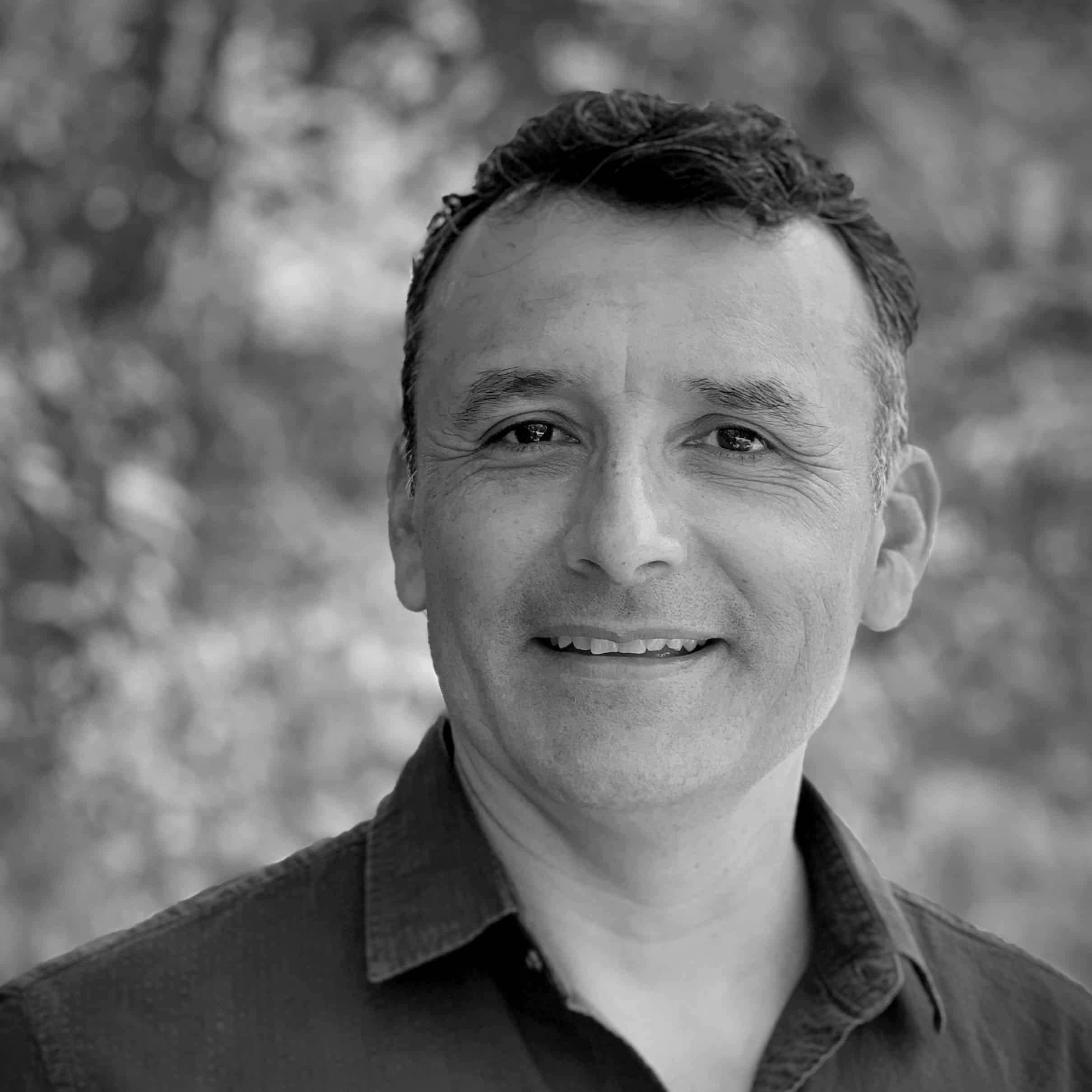 Gerardo Herrera – ArtCenter College of Design Gerardo Herrera – ArtCenter College of Design
Gerardo Herrera is a designer, educator, and creative leader whose work spans brand experience, packaging, product innovation, and strategic foresight. He has led creative initiatives for global brands, startups, and educational institutions while helping organizations navigate change through design. As Head of Brand and Al Experiences at Design Studio Nuovo, he brings that same thinking to a studio practice focused on where brand work and emerging technology meet. From venture-backed startups redefining their category to studios shaping what Al-driven brand work looks like in practice, his work across digital and physical product, packaging, visual communications, UI/UX, and emerging technologies has produced award-winning solutions in mobile communications, augmented reality, and smart wearables for both consumer and enterprise markets. He has led global creative teams across entry-level to luxury and from B2B to e-commerce, consistently delivering results that hold up in the market.
|
Beyond In-Person Care:
Scaling Independence Through Technology That Enhances Human Support Rather Than Replacing It
Participants will learn how technology can become a core part of service delivery, not just an add-on. The session highlights practical strategies for integrating technology into daily operations, aligning supports with person-centered outcomes, and designing remote support models that complement existing services. Attendees will also explore how these approaches reduce staffing strain, improve response times, and create new opportunities for independence.
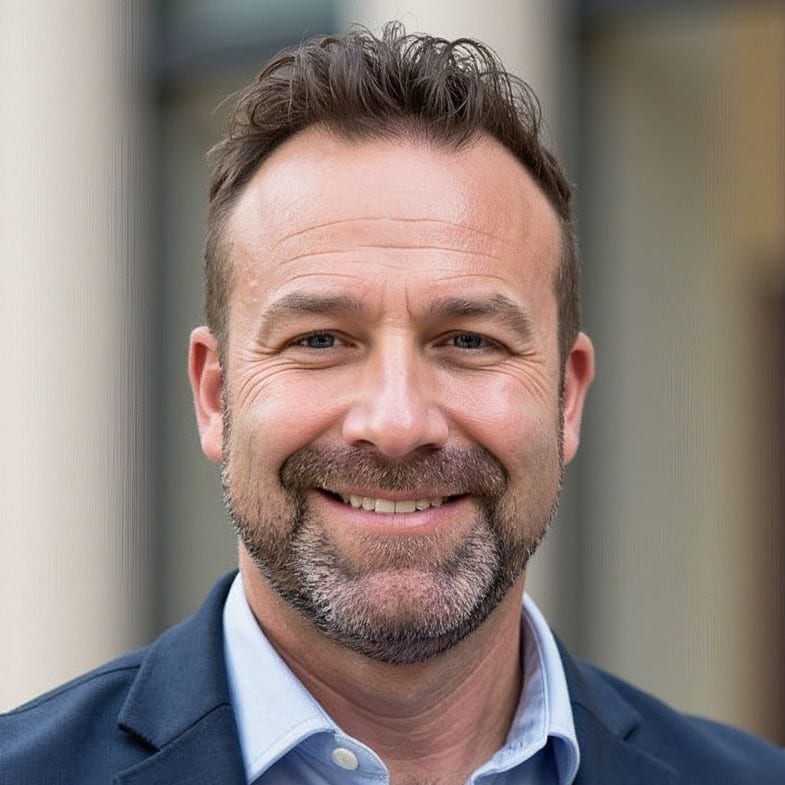 Brian Hart – Heylo Brian Hart – Heylo
Brian Hart is the CEO and Co-Founder of Heylo, a technology platform transforming supports for people with intellectual and developmental disabilities (I/DD). With over a decade in disability services, he works at the intersection of care delivery and innovation, helping providers modernize traditional models through remote supports, smart sensors, and real-time communication tools to increase independence and address workforce challenges. Prior to Heylo, Brian held executive leadership roles within provider organizations, leading large-scale operations and implementing technology-enabled support strategies.
|
| 2:30 PM |
Breakout Sessions
|
|
PANEL: AI Platforms- Where AI adds value and where it doesn’t
AI is everywhere, but product value isn’t. This panel brings together AT product leaders supporting institutions deploying AI in real organisation. What we have learned is that capability is rarely the blocker; it’s where and how it is integrated into learning. We’ll explore where AI truly improves outcomes and where it creates noise. Panelists will unpack the questions that separate demos from real adoption: Who is the user? What task is changed? What data is permissible? What are the guardrails and human-in-the-loop? Leave with a practical lens for thinking about AI integration in your product.
Moderator:
 Jeremy Brassington – Habitat Learn Jeremy Brassington – Habitat Learn
Jeremy Brassington is Co-Founder and CEO of Habitat Learn Group, an EdTech company focused on AI-powered accessibility and student support. A serial entrepreneur and business angel with over 40 years’ experience, Jeremy has founded businesses across assistive technology, biotech, and financial services. Under Jeremy’s leadership, Habitat Learn has also invested heavily in scalable AI infrastructure, designed to support real-time accessibility services and integrate seamlessly with enterprise and device-level ecosystems. This infrastructure focus enables the platform to operate reliably at scale while maintaining strong privacy and security standards. Jeremy also serves as Treasurer and Board of Member for ATIA.
Panelists:
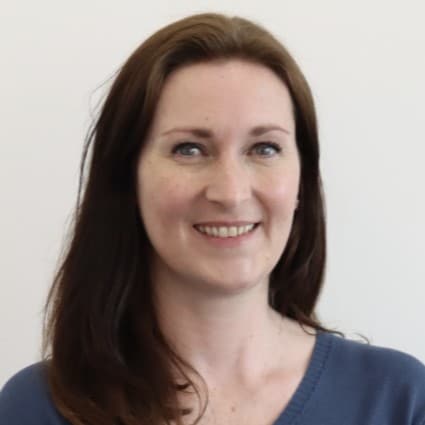 Lynne Beveridge – Habitat learn Lynne Beveridge – Habitat learn
Dr Lynne Beveridge holds a PhD from City, University of London, where her research examined the impact of dyslexia on the online information-seeking behaviour of undergraduate students. Her research interests include information behaviour, accessibility, dyslexia, inclusive design, personalised learning and the use of AI to support disabled and neurodivergent learners in higher education. She has multiple peer reviewed publications and has presented at international conferences. Current research projects explore innovate approaches to technology to move beyond one-size-fits-all accessibility towards more personalised, context-aware support.
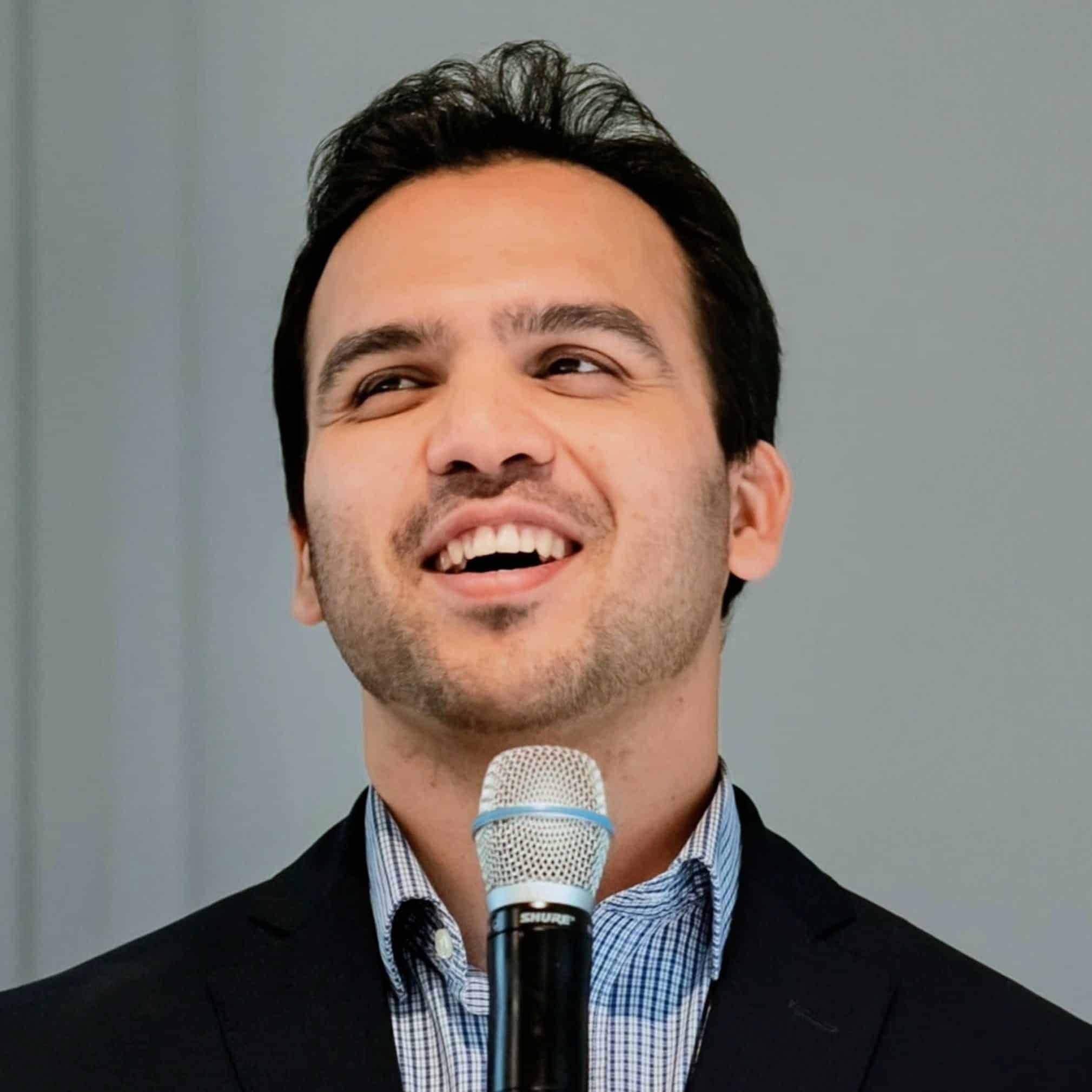 Varun Chandak – Access to Success Varun Chandak – Access to Success
Varun Chandak is the Founder and Executive Director of Access to Success, a Toronto-based non-profit on a mission to Enable Everyone. Driven by his own lived experiences with disabilities and hopes of better assistive tech, Varun has grown ATS to be a leading global innovation hub for accessibility startups. Under his leadership, ATS has expanded its reach to 40+ countries and its startups have benefited over 2.5 million people with disabilities worldwide. Varun has a professional background in financial services, holds an MBA from the University of Toronto, and is a Chartered Accountant.
|
Lessons from the Front Lines of Product Integration
Integrating two platforms means more than merging codebases; it means deciding which features survive, which don’t, and how you bring your customers along for that journey. This session walks through a real integration inside Everway’s assistive technology portfolio: how we made product roadmap tradeoffs, how we communicated (and where we fell short) to prepare customers for change, and what happened when things didn’t go as planned. We’ll include lessons learned and how we handled the challenges that arose, translating all of it into practical best practices attendees can apply to their own integrations.
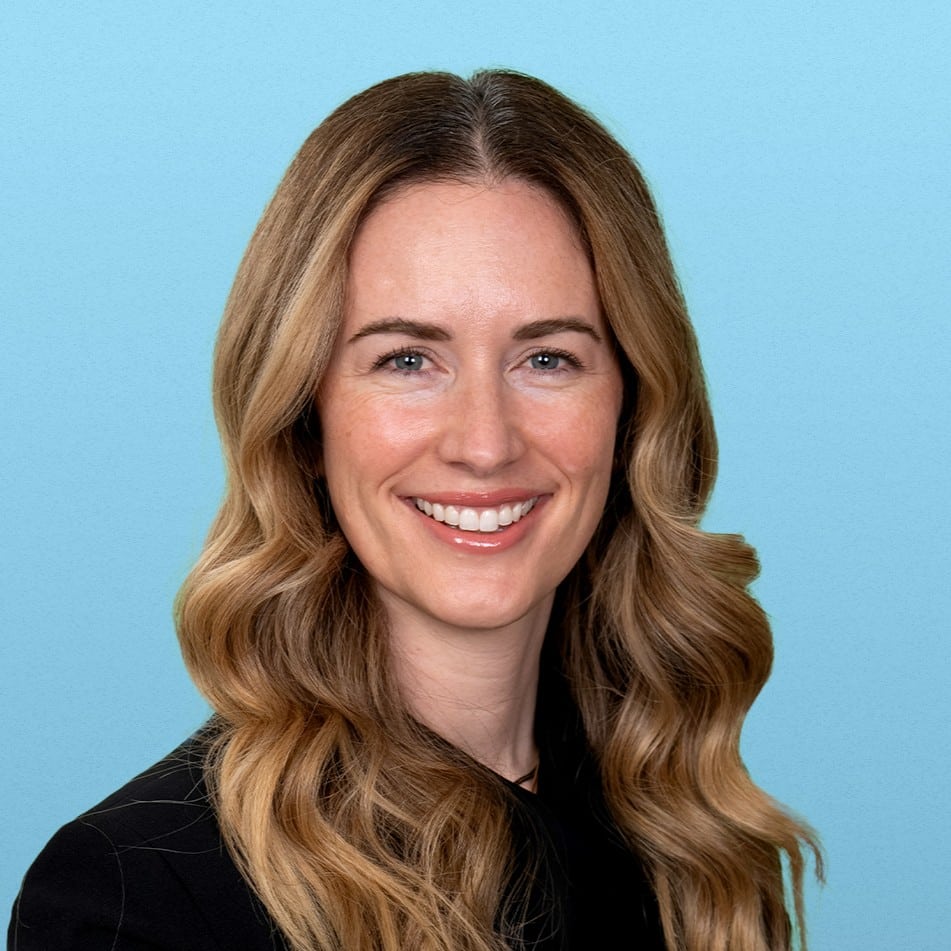 Amanda Cascitelli – Everway Amanda Cascitelli – Everway
Amanda Cascitelli is Chief Customer Officer at Everway, an edtech company at the intersection of accessibility, assistive technology, and inclusive learning and working. With over 15 years of experience in SaaS customer success and operations, she leads high-performing teams focused on improving retention, strengthening long-term customer relationships, and turning insight into action. She works across the business to ensure the voice of the customer shapes both strategy and day-to-day delivery. Amanda is passionate about building a customer-centric culture at every level of an organization, helping teams do their best work while ensuring customers see real value from the solutions they use. She lives in Miami, FL with her family.
|
AI as a Force for Innovation: Responsible Partnerships in the Assistive Technology Ecosystem
Artificial intelligence is creating new opportunities for people with disabilities by making technology more personalized, adaptive, and scalable than ever before. This session will explore how disability organizations and assistive technology providers are using AI to improve communication, discovery, workplace inclusion, and independent living while maintaining a strong focus on trust, safety, and responsible development. Drawing on real-world examples, attendees will learn how organizations are applying AI responsibly and how Microsoft approaches co-development, accessibility, security, privacy, and inclusion when partnering across the assistive technology ecosystem. The session will conclude with a discussion on collaboration opportunities, challenges, and the future of AI-powered accessibility solutions
 Moderator: Angela Lean – Microsoft Moderator: Angela Lean – Microsoft
Angela Lean is a Senior Business Program Manager in Microsoft’s Office of Accessibility, where she leads initiatives focused on disability-first AI and expanding the accessibility partner ecosystem. With over 25 years of experience across community advocacy, marketing, and program management, she brings a strategic, human-centered approach to advancing inclusive technology. Angela holds a BA from Yale University and an MBA from NYU’s Stern School of Business. A member of the disability community and mother of two young adults, she is based in New York City.
|
| 3:30 PM |
Break
|
| 4:00 – 6:00 PM |
Networking Social
|
|


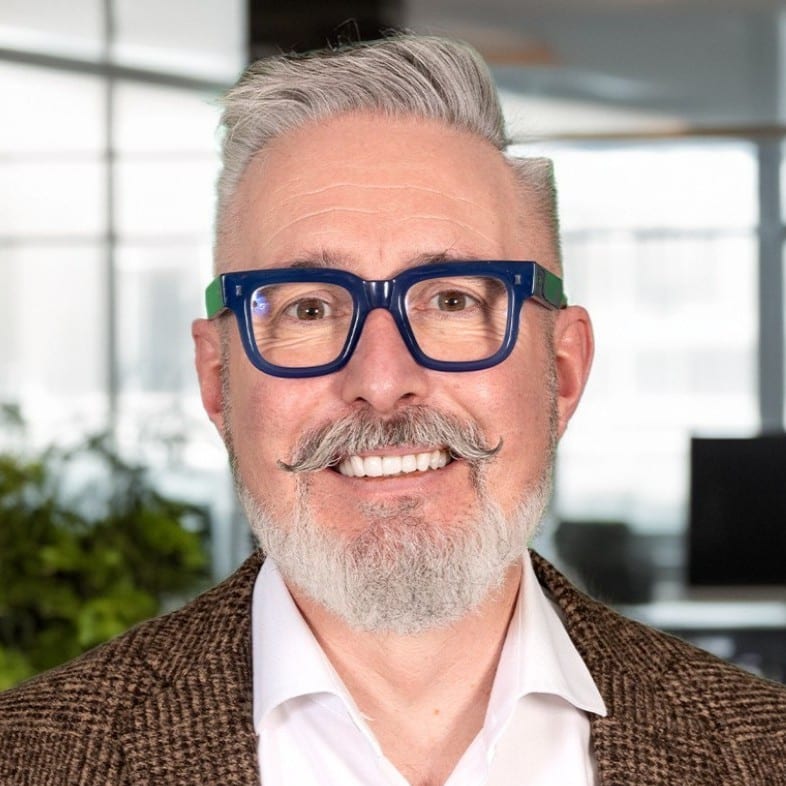 Martin McKay – Everway
 Michelle Zorrilla, PhD, MPH – IMPACT Center
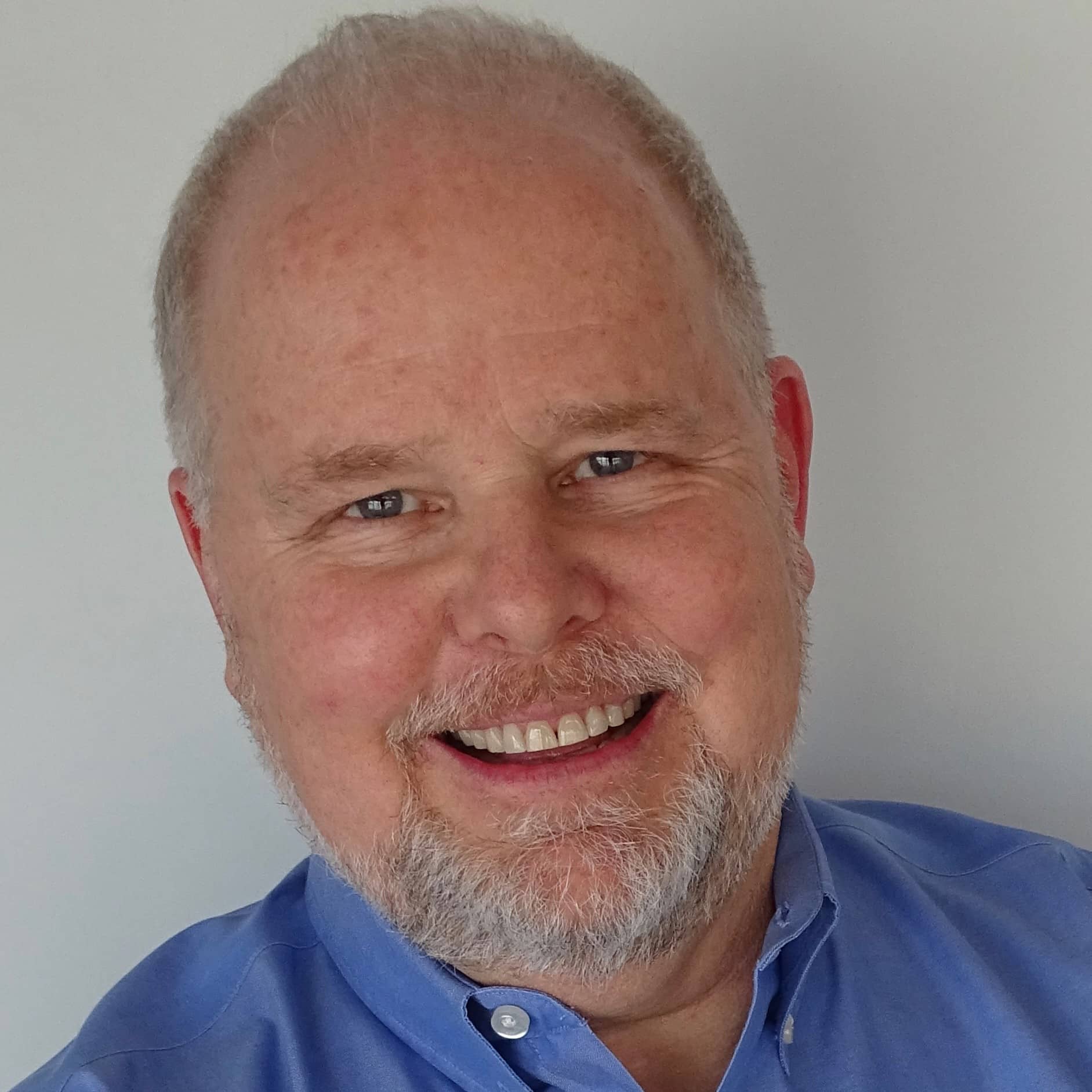 Kevin Custer – Arc Capital Development
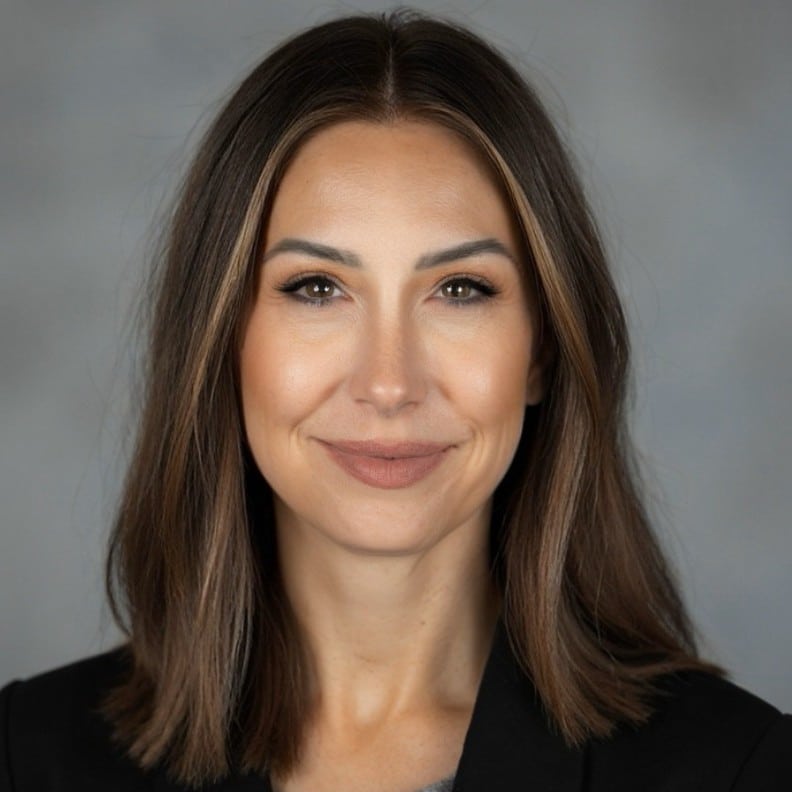 Glenna Wright-Gallo – Everway
 Julie Bowers – Nevada Department of Education
 Kiran Kaja – Amazon
 Sarah Wilds – PRC Saltillo
  Todd Tyler – Control Bionics
 Dawn Sowers – Florida State University
 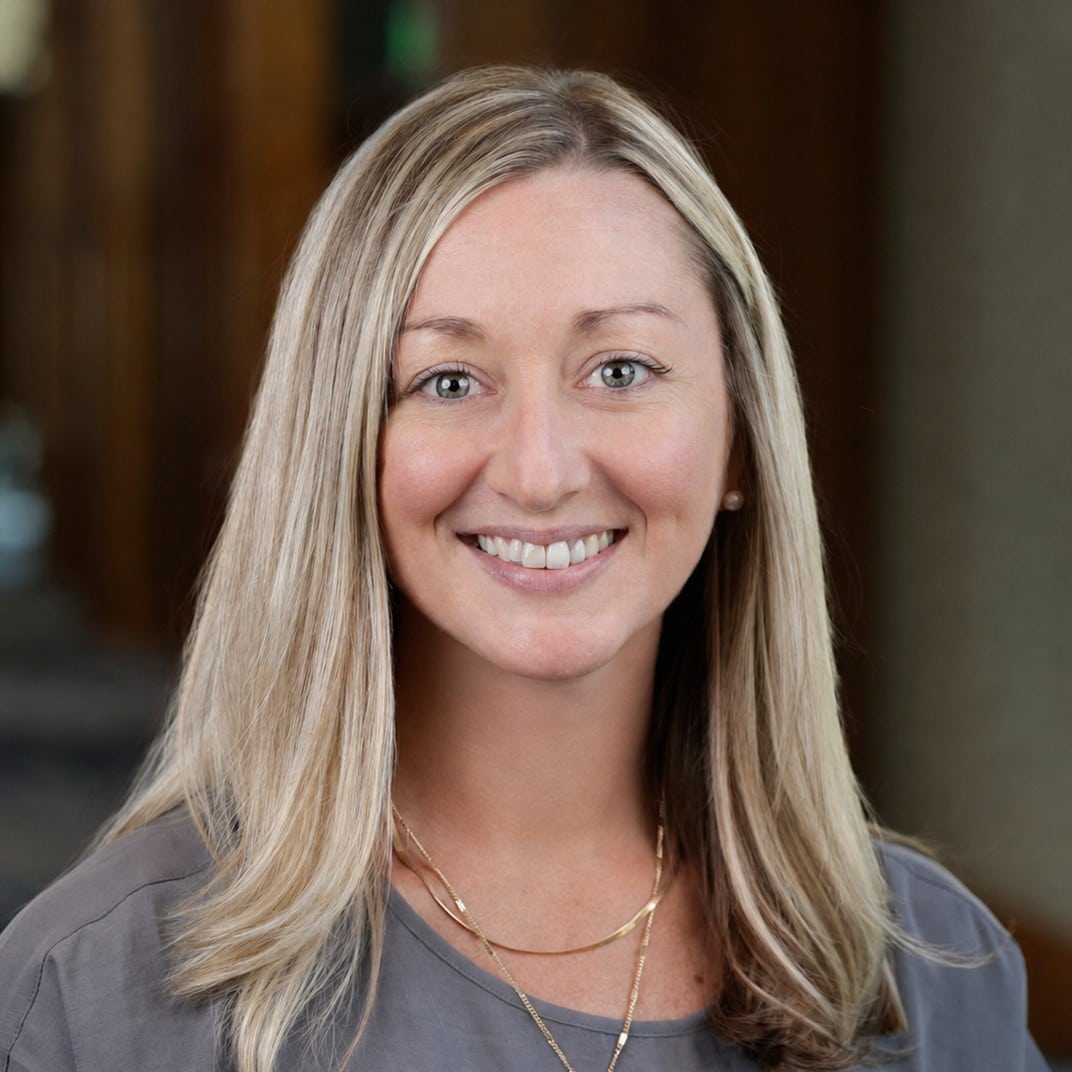 Amanda Whipple – Numotion
 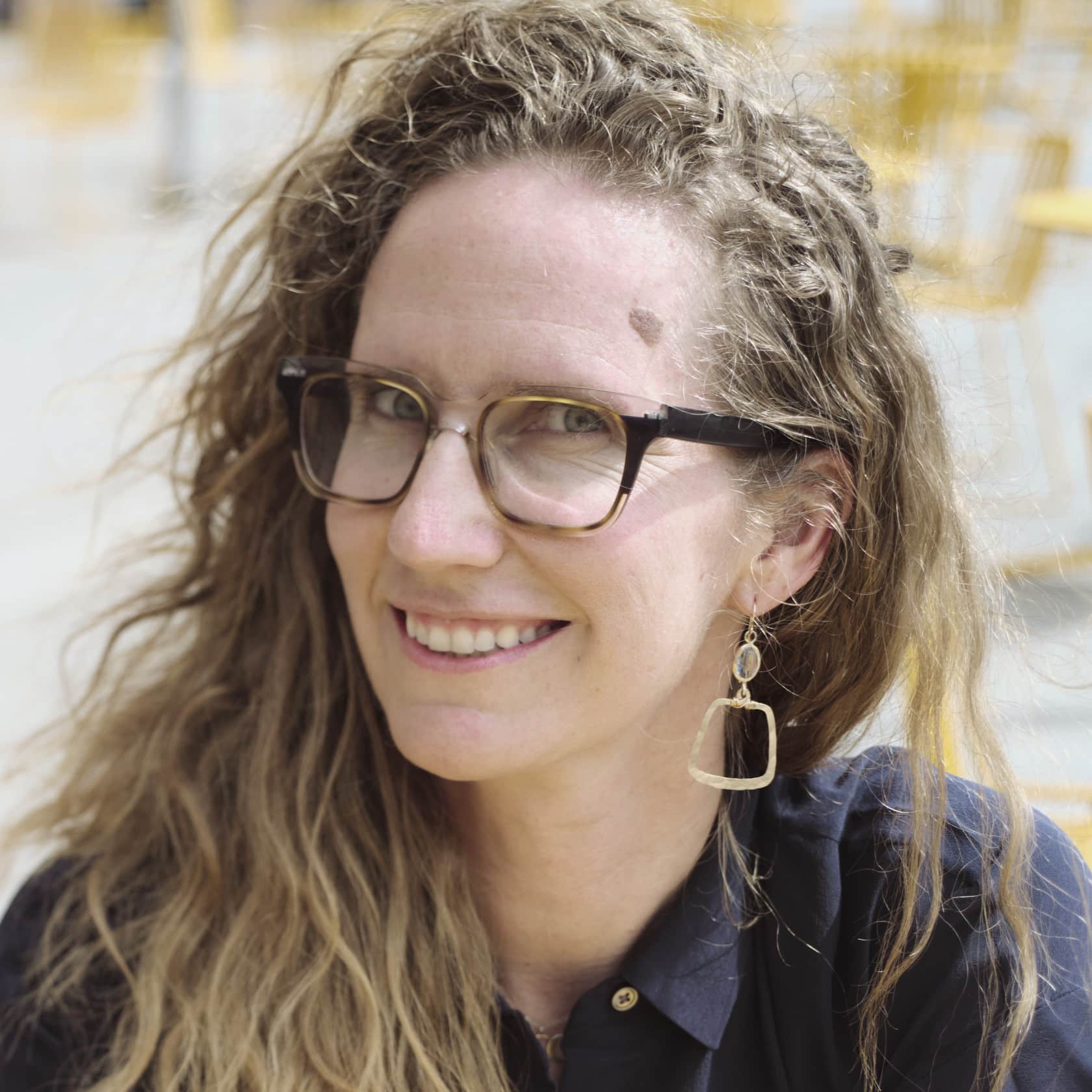 Karina Nagin – Bridging Voice
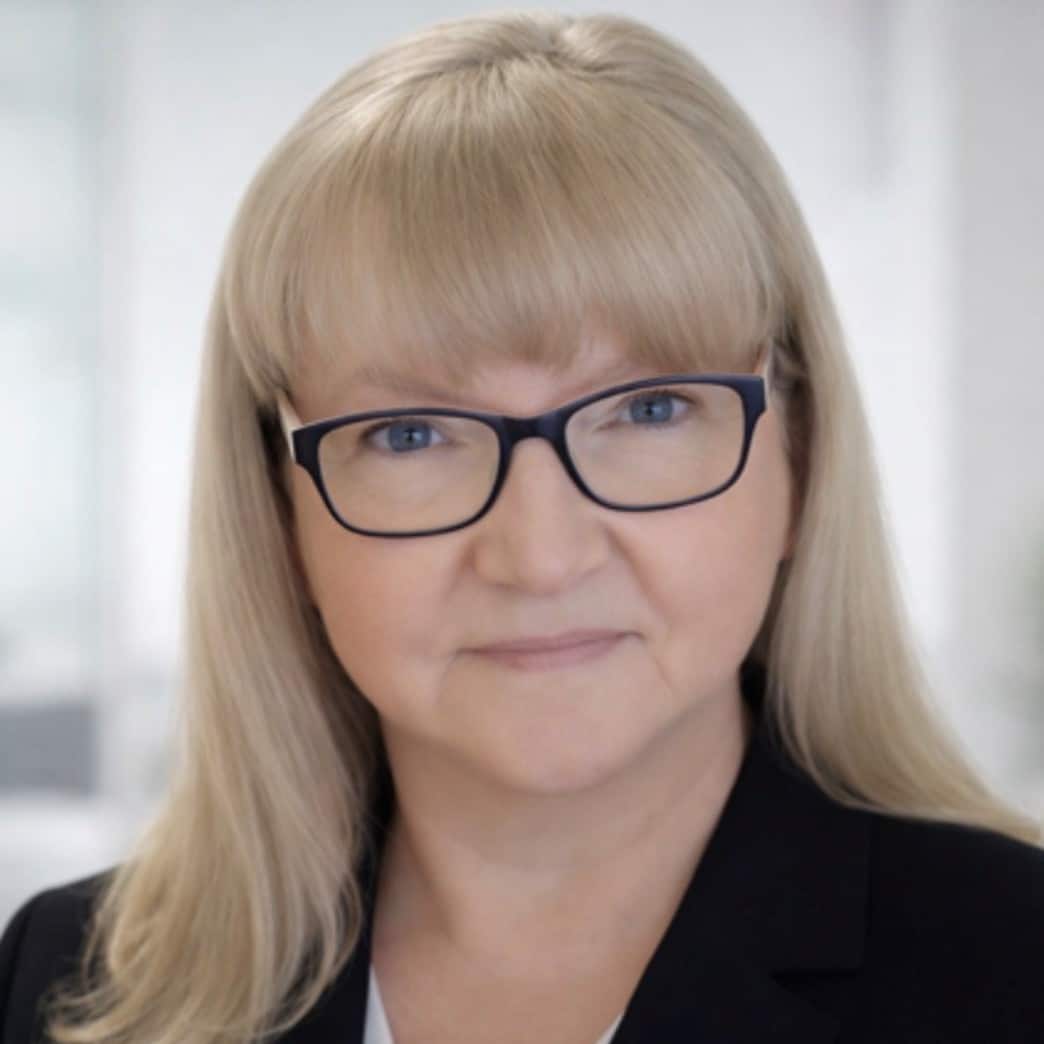 Kelly Fonner – QIAT
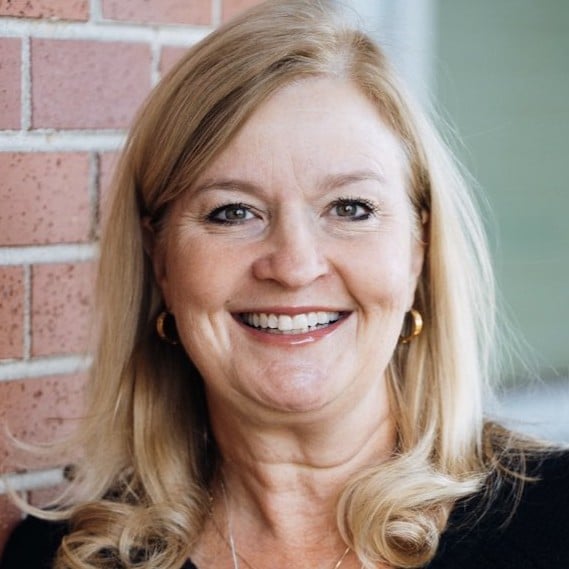 Christine Fox – CITES / CAST
 Hannah Erickson – Irisbond